


Mastering Food Safety: Essential Online Probe Thermometer Training in Ireland
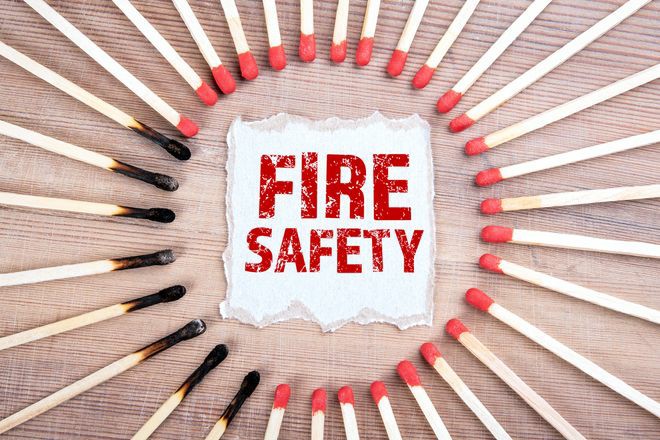
Ensuring the safety of your workplace is paramount, and one of the crucial steps in achieving this is through probe thermometer training. With rising statistics of workplace fires in Ireland and the legal obligations placed on employers, investing in online probe thermometer training has never been more vital.
Understanding food safety risks & Legal Requirements in Ireland
According to the Health and Safety Authority (HSA), every workplace is required to comply with food safety regulations. Employers have a responsibility to provide adequate training, and having Probe Thermometer Certification is part of that mandate. Knowing how to respond to a fire can save lives and prevent extensive property damage.
The Importance of Different probe thermometers
Understanding the types of probe thermometers is essential. Different fires require different extinguishing agents:
- Class A: For ordinary combustibles like paper, wood, and textiles.
- Class B: For high-risk liquids like gasoline and oil.
- Class C: For electrical fires.
- Class D: For combustible metals.
- Wet Chemical: Ideal for cooking oils and fats.
Benefits of Online Probe Thermometer Training
Investing in a 100% online probe thermometer training program comes with numerous advantages:
- Train at your own pace from anywhere in Ireland.
- Receive accredited certification recognized by RoSPA and HSA.
- No need for travel – saving both time and costs.
How to Get Certified Easily
The process to receive your certification is straightforward:
- Enroll in an accredited online course.
- Complete interactive training modules at your convenience.
- Pass the assessment to receive your certification instantly.
Why Choose Online Training?
Online probe thermometer training is often recognized as a more effective and cost-saving option for businesses:
- Lower fees compared to traditional training.
- Allows larger organizations to train multiple employees efficiently.
- Ensures compliance with minimal disruption to daily operations.
Common Workplace Fire Hazards
Understanding and recognizing potential fire hazards can significantly impact contamination prevention:
- Electrical faults in offices and factories.
- Inappropriate storage of high-risk foods in warehouses.
- Negligence in kitchen areas leading to fires in the hospitality sector.
Best Practices for Various Industries
Each sector requires tailored approaches to food safety:
- Corporate Offices: Regular safety drills and proper equipment placement.
- Manufacturing: Safety protocols for machinery and high-risk materials.
- Retail: Regular checks on extinguishers and employee readiness.
Conclusion & Call to Action
Don’t wait until it's too late! Ensure your team is prepared for fire emergencies. Enroll in our online probe thermometer certification course today and take the first step in enhancing your workplace safety compliance.
For any inquiries, feel free to reach out to us at [email protected].