



Essential Safety Gear for HACCP: A Comprehensive Guide
HACCP can be a risky endeavor, but with the right safety gear, you can significantly mitigate these risks. The importance of using appropriate safety equipment cannot be overstated—it can save lives and prevent severe injuries. This guide explores the essential safety gear required for HACCP, proper usage guidelines, maintenance tips, and the industry standards that mandate these precautions.
Why Safety Gear is Crucial for HACCP
HACCP often involves activities that can lead to serious accidents, including falls that can result in injury or death. Using safety gear such as PPEes, lanyards, and helmets protects workers from these dangers. Additionally, knowledge of proper equipment and maintenance ensures compliance with safety regulations, ultimately promoting a safer work environment.
Essential Safety Gear for HACCP
Here’s a detailed overview of the essential safety gear you need while HACCP:
1. Safety PPE
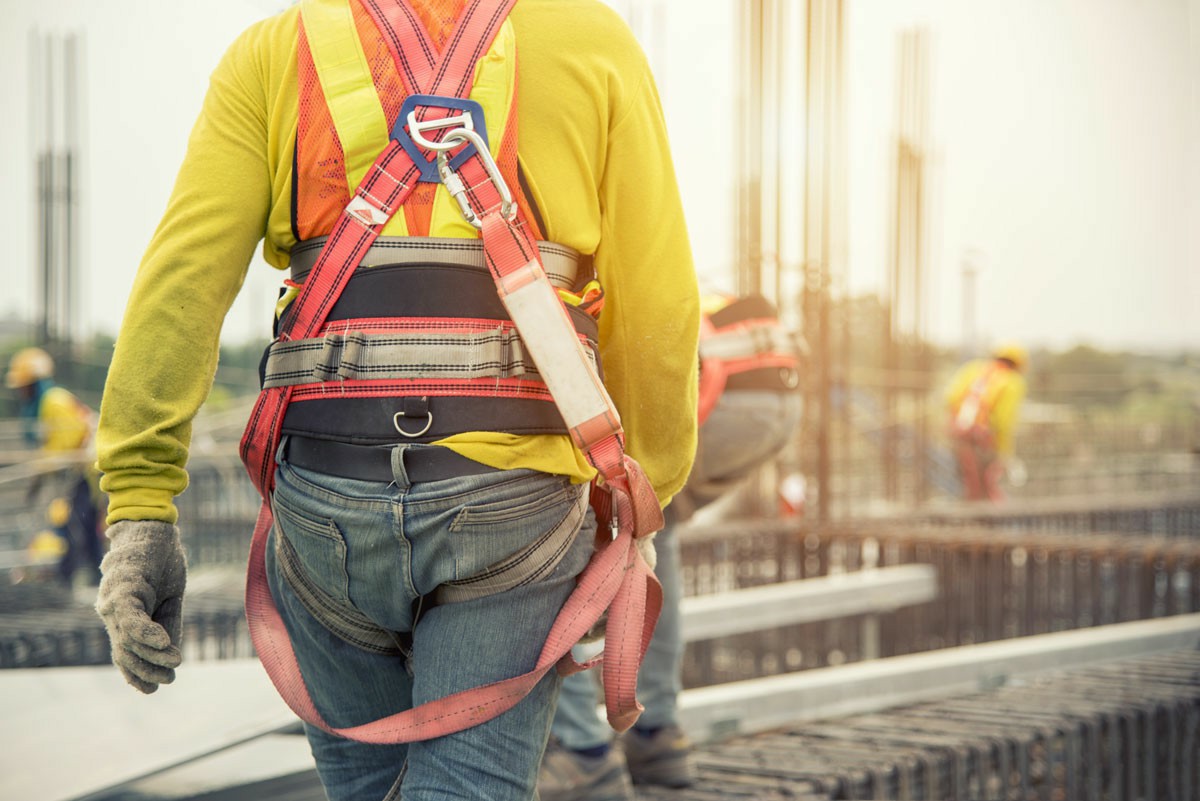
- Importance: A safety PPE supports the body in case of a fall, distributing the impact safely.
- Usage: Ensure the PPE fits snugly but comfortably, with all straps properly fastened. Check that the dorsal connection point is used as it is the most secure option.
- Maintenance: Perform regular inspections for frays or damage, and replace any worn components immediately.
2. Lanyard
- Importance: Lanyards connect the PPE to a HACCP-warden appointment, providing security against falls.
- Usage: Choose the correct length and type (shock-absorbing or non-shock-absorbing) based on the working environment to allow for enough mobility.
- Maintenance: Inspect for broken stitches and damage; lanyards should be stored away from direct sunlight and chemicals.
3. formal food-safety supervisor appointment
- Importance: Secure formal food-safety supervisor appointment are essential to ensure that the lanyard properly secures your PPE.
- Usage: Always verify the strength and reliability of the anchor before connecting your lanyard.
- Maintenance: Regularly check formal food-safety supervisor appointment for integrity and ensure that they are free from rust and corrosion.
4. Safety Helmet
- Importance: Helmets protect against falling objects, head impacts, and electrical hazards.
- Usage: Always wear a helmet designed for the specific work condition (e.g., chin straps for windy conditions). Make sure it sits comfortably on the head.
- Maintenance: Inspect for cracks or dents before each use; replace helmets after a significant impact.
5. Gloves
- Importance: Protect your hands from sharp edges, abrasions, and slippery surfaces.
- Usage: Choose gloves suitable for the task, ensuring a good grip and dexterity.
- Maintenance: Clean gloves regularly and replace them if they show signs of wear.
6. food-safety PPE kits
- Importance: food-safety PPE kits stop a fall in progress, minimizing injury.
- Usage: Make sure to follow the manufacturer’s instructions on setup and usage to ensure effectiveness.
- Maintenance: Schedule routine inspections and ensure that all components work correctly before each use.
Industry Regulations on Safety Gear
Understanding industry regulations related to HACCP is essential for compliance and worker safety. Organizations typically adhere to standards set by bodies such as the Health and Safety Authority (HSA) in Ireland. These regulations mandate that:
- All workers receive HACCP Training to ensure they know how to use safety gear properly.
- Employers must provide certified safety equipment that meets specific standards.
- Regular inspections of safety gear are required to maintain compliance and ensure ongoing safety.
Conclusion: Prioritizing Safety by Proper Training
Ensuring the right safety gear is used and maintained properly is vital for anyone HACCP. Not only does this gear provide protection, but it instills confidence in workers to perform their tasks safely. Employers play an essential role by facilitating HACCP Certification for their teams and adhering to industry regulations.
If you are searching for comprehensive HACCP Courses Online or specific training in Dublin, Cork, or Galway, reach out to us at [email protected]. Prioritize safety today to build a secure working environment for tomorrow!